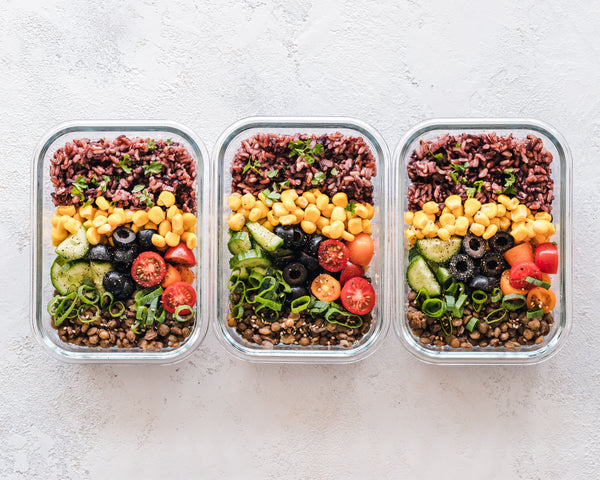
Blue Zones — the regions of the world where people consistently live past 90 and 100 in good health — share common dietary patterns. Plant-heavy, legume-rich, spice-abundant, low in processed foods. The traditional Indian diet, at its best, shares most of these characteristics. The challenge for modern Indian families is recovering what was lost as convenience food, refined oil, and ultra-processed snacks replaced homemade, whole-ingredient cooking.
What Traditional Indian Diets Had That Modern Diets Often Don't
- Daily legumes: Dal at every meal provides plant protein, fibre, and prebiotic support for the gut microbiome
- Fresh vegetables in quantity: Seasonal sabzi provided dietary fibre, vitamins, and antioxidants that highly processed foods cannot replicate
- Therapeutic spices daily: Turmeric, ginger, cumin, coriander, garlic — used not just for flavour but for their pharmacological properties, which are now increasingly validated by science
- Whole grains: Bajra, jowar, ragi, whole wheat atta — higher fibre and micronutrient content than refined flour
- Minimal processing: Food made from single ingredients, cooked at home — not from packets with ingredient lists that require a chemistry degree to understand
The Spice Advantage
No cuisine on earth uses therapeutic botanicals as liberally and systematically as Indian cuisine. Turmeric for anti-inflammation. Ginger for digestion. Garlic for immunity. Cumin for gut health. These weren't chosen arbitrarily — they were selected over thousands of years of empirical observation and codified in Ayurveda. Modern pharmacology is now confirming the mechanisms.
How AnnVaya Supports a Return to Real Indian Food
AnnVaya vegetable and spice powders are built on the same principle as traditional Indian cooking: real ingredients, naturally prepared, without additions. In the modern kitchen where time is scarce, these powders make it practical to maintain the nutritional depth of traditional cooking without the hours of prep.
Spinach in your chapati. Turmeric and ginger in your dal. Amla in your morning water. Moringa in your smoothie. This is traditional Indian nutritional wisdom, made compatible with modern life.
Shop AnnVaya — traditional nutrition, modern convenience.
Sources & References
- Buettner D, Skemp S. Blue Zones: Lessons From the World's Longest Lived. Am J Lifestyle Med. 2016;10(5):318-321. PMID: 30202288
- Monteiro CA et al. Ultra-processed foods: what they are and how to identify them. Public Health Nutr. 2019;22(5):936-941. PMID: 30744710
- Willett WC et al. Food in the Anthropocene: the EAT-Lancet Commission. Lancet. 2019;393(10170):447-492. PMID: 30660336
- ICMR-NIN Expert Group. Recommended Dietary Allowances for Indians. 2020.
- World Health Organization. Healthy Diet Fact Sheet No. 394. WHO, 2020.